Rapid Deployment
Automated triggers from GitHub/GitLab ensure that code changes are reflected in production within minutes, eliminating manual server configuration and downtime during updates.

A technical deep dive into leveraging Free Tier PaaS, serverless architectures, and automated deployment pipelines to maintain operational costs at $0 during the initial growth phase.
Automated triggers from GitHub/GitLab ensure that code changes are reflected in production within minutes, eliminating manual server configuration and downtime during updates.
By utilizing generous free tiers from Vercel, Netlify, and Render, startups can host full-stack applications without entering credit card details or incurring monthly fees.
Modern free tiers are built on enterprise-grade infrastructure (AWS/GCP), meaning the migration to paid plans is a simple toggle rather than a complex re-architecture.
As of , the landscape for Platform-as-a-Service (PaaS) has shifted toward specialized hosting for JavaScript frameworks. However, for full-stack AI startups, the choice of provider dictates the maximum throughput of their Large Language Model wrappers and data processing tasks.
Vercel currently leads the market for Next.js deployments, offering a generous 100GB of bandwidth and 6,000 build minutes per month on their Hobby plan. While this is sufficient for many MVPs, engineers must be wary of the "Serverless Cold Start" which can add 200-500ms of latency to initial API calls.
"The primary constraint of zero-budget hosting is not the bandwidth, but the ephemeral nature of the file system and the memory limits of the free execution environment."
| Feature | Vercel | Render | Netlify |
|---|---|---|---|
| RAM | Dynamic | 512 MB | Dynamic |
| Bandwidth | 100 GB | 100 GB | 100 GB |
| Build Mins | 6,000 | Unlimited* | 300 |
| SSL/TLS | Included | Included | Included |
Источник: Internal Provider Documentation and Uptime Monitoring Logs.
Docker has become the industry standard for ensuring environment consistency from a local laptop to a production server. For startups, containerization is the "insurance policy" against vendor lock-in. If your PaaS provider increases prices or changes terms, a containerized app can be migrated to a new host in under an hour.
In a zero-budget scenario, you often use multiple different services for different parts of your stack. You might host your frontend on Vercel, but your Python-based automation framework might require a dedicated container on Render to handle long-running tasks.
By using multi-stage builds, you can keep your image sizes small (under 100MB), which is critical for staying within the storage limits of free container registries like GitHub Packages or Docker Hub. Smaller images also mean faster deployment times and lower bandwidth consumption during CI/CD cycles.
# Use lightweight Alpine image
FROM node:18-alpine AS builder
WORKDIR /app
COPY package*.json ./
RUN npm install
COPY . .
RUN npm run build

# Production Stage
FROM node:18-alpine
WORKDIR /app
COPY --from=builder /app/dist ./dist
CMD ["node", "dist/main.js"]
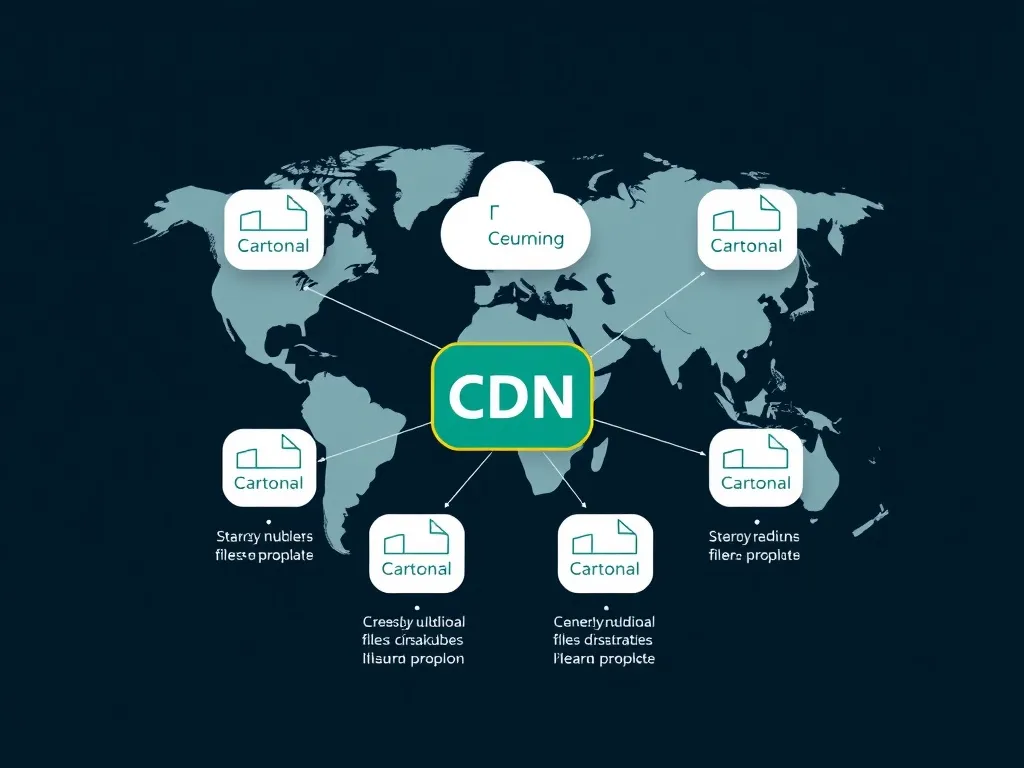
Источник: Global CDN Edge Distribution Visualization.
Static Site Generation (SSG) is the ultimate "cheat code" for zero-budget hosting. By pre-rendering your pages into HTML, CSS, and JS, you remove the need for a running server. Services like GitHub Pages and Cloudflare Pages offer virtually unlimited bandwidth for static content.
Integrating these with a CI/CD pipeline means every git push triggers a build that pushes new assets to the edge. This ensures your site loads at sub-second speeds globally, as the content is served from a data center physically close to the user. This is particularly effective for documentation and landing pages for your MVP project.
Most free functions will kill a process if it takes longer than 10 seconds to respond.
Maximum size for incoming requests. Large file uploads require direct-to-S3 signed URLs.
The delay occurred when a function is invoked after a period of inactivity.
No persistent storage. Files written to /tmp are deleted once the function finishes.
Yes, provided you have automated backups and a migration plan. The underlying hardware is the same as paid tiers; the limitations are strictly on resource allocation (CPU/RAM).
Use providers like Neon (Serverless Postgres) or MongoDB Atlas, which offer free tiers with 512MB to 1GB of storage. For AI vector storage, Pinecone offers a free index suitable for small datasets.
Most services will either pause your application until the next billing cycle or notify you to upgrade. Unlike AWS, these "Hobby" platforms rarely charge your card automatically without explicit consent.
Explore our technical guides on local model deployment and advanced automation to further optimize your startup's operational efficiency.